A regional play-based learning initiative
Learning through play, made regional.
One programme. Four strands. Eight countries that already agreed on the destination.
From communiqué to classroom, in one box of bricks.
The opening
The region agreed. It just hasn’t reached the classroom.
The 2nd EAC Regional Education Conference put foundational learning, social and emotional learning, and parental engagement at the centre of the agenda, and named the same method every time: play. That consensus is real. Right now it lives in communiqués.
What was said
Prioritise foundational learning and SEL, involve parents, and get there through playful, child-centred teaching.
What is missing
A concrete programme teachers can run, comparable across countries, with the training and measurement already attached.
What SELution adds
Four play-based strands on one pathway, designed for low-resource classrooms, ready to pilot with partners already asking.
The challenge, in numbers
The region is not behind on coding and robotics. It has not started.
Across the eight EAC partner states, an illustrative 0.7% of schools have a robotics kit in pupils’ hands and 1.4% run any structured coding activity, plugged or unplugged. Underneath that, roughly one Grade 3 pupil in four reads at grade level and about one primary school in seven timetables and assesses social and emotional learning. These are not four separate problems: a child who cannot read a sequence of instructions cannot debug one, and a classroom without emotional safety cannot sustain the collaborative, failure-heavy work that coding and robotics demand. SELution is built for that whole stack, and it starts where the numbers are lowest.
Share achieved, one fixed 0–100% ruler for all four strands
The palest band means “almost nothing there”. No partner state reaches the top three bands on any strand, and on coding and robotics all eight sit in the palest band.
| Partner state | Grade 3 reading% · target 70% | SEL timetabled% · target 60% | Unplugged coding% · target 40% | Robotics in use% · target 20% |
|---|---|---|---|---|
| 46% | 27% | 3.5% | 1.8% | |
| 34% | 16% | 1.2% | 0.5% | |
| 24% | 14% | 1.6% | 0.7% | |
| 31% | 30% | 3.1% | 2.0% | |
| 21% | 9% | 0.5% | 0.2% | |
| 7% | 6% | 0.3% | 0.1% | |
| 14% | 7% | 0.6% | 0.2% | |
| 5% | 5% | 0.4% | 0.1% | |
| Region (weighted) | 26% | 14% | 1.4% | 0.7% |
Definitions. Grade 3 reading, share of Grade 3 pupils who read a grade-level passage and answer at least 80% of comprehension items correctly. SEL timetabled, share of public primary schools with a scheduled and assessed SEL block of at least 30 minutes a week, taught by a teacher who has had SEL training; presence in the written curriculum is far more common than delivery, and this metric measures delivery. Unplugged coding, share of public primary schools running any structured computational-thinking activity in a normal term, no device required. Robotics, share of primary and lower-secondary schools with a functioning robotics or physical-computing kit used with pupils in the last term, in use rather than owned. Method. Regional figures are weighted by primary enrolment (DR Congo 18.0m, Tanzania 11.0m, Uganda 9.0m, Kenya 8.5m, Rwanda 2.5m, Burundi 2.2m, South Sudan 1.4m, Somalia 1.1m; 53.7m total), so DR Congo pulls the regional average well below the regional median. Source. Synthetic dataset, SELution design council, 2026. Not for citation.
The offer
Four strands, one pathway
Each strand is a set of structured play activities with a clear learning target, a teacher script, and simple materials. They share one training pathway and one progress record, so a school runs them as a single programme.
Social & emotional learning
Naming feelings, turn-taking, calming routines, friendship and conflict repair. The backbone the other three strands lean on.
Foundational literacy & numeracy
Letter sounds, decoding, number sense and early operations through games, songs and manipulatives, mapped to the national curriculum.
Unplugged coding
Sequencing, loops, debugging and algorithms with no device: floor grids, arrow cards, and children as the robot following each other’s instructions.
Robotics
The same computational thinking, now with a physical build: low-cost motors, recycled materials and a small kit shared across a cluster of schools.
Strands 03 and 04 are one continuum: unplugged coding needs nothing, robotics adds a shared kit when a cluster is ready. A school can start with strands 01 and 02 alone.
The method
Play is the spine, not a decoration
Construction, not instruction. Children build understanding by making and re-making, not by being told. Every strand runs on the same five-beat cycle, which is what makes four strands feel like one programme and what the evidence says actually shifts foundational outcomes.
The record at the end feeds one simple progress view per child, aggregated to class, school and cluster. That is the measurement spine partners and funders see.
Six Bricks
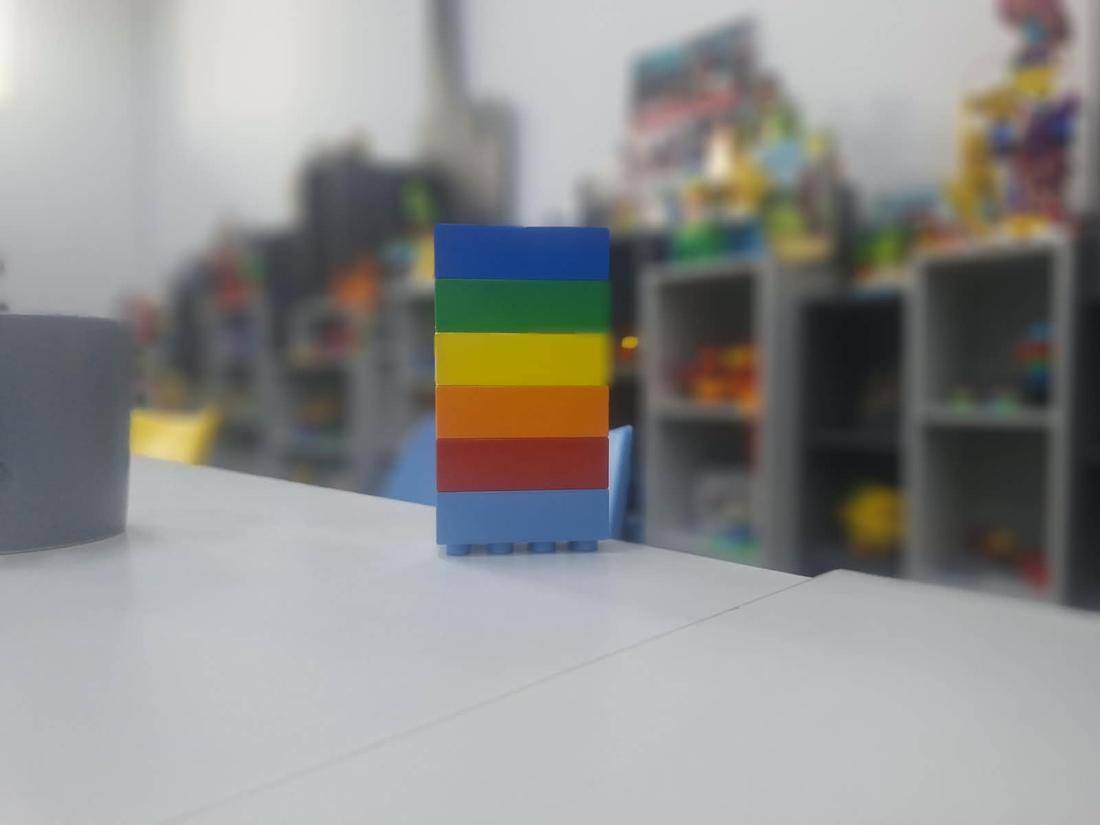
Six DUPLO bricks on every desk. Short games that wake up the brain and build self-regulation, curiosity, memory, sequencing and early numeracy. The workhorse of the SEL and literacy strands.
Play methodFloor grids & arrow cards
Sequencing, loops and debugging drawn in chalk, with children as the robot. No device, no power.
Unplugged codingBottle-cap tiles
A free, endless manipulative for letters, sounds, number bonds and place value. Every school already has the caps.
Literacy & numeracyRecycled-parts builds
Motors, wheels and card from a shared kit. Robotics that a cluster of schools can actually afford.
RoboticsSELution did not invent these. It packages proven low-cost play methods into one training pathway and one record. Six Bricks is an established DUPLO-based approach; SELution’s activities draw on it and adapt it to each national curriculum.
In the room
A session, not a slide
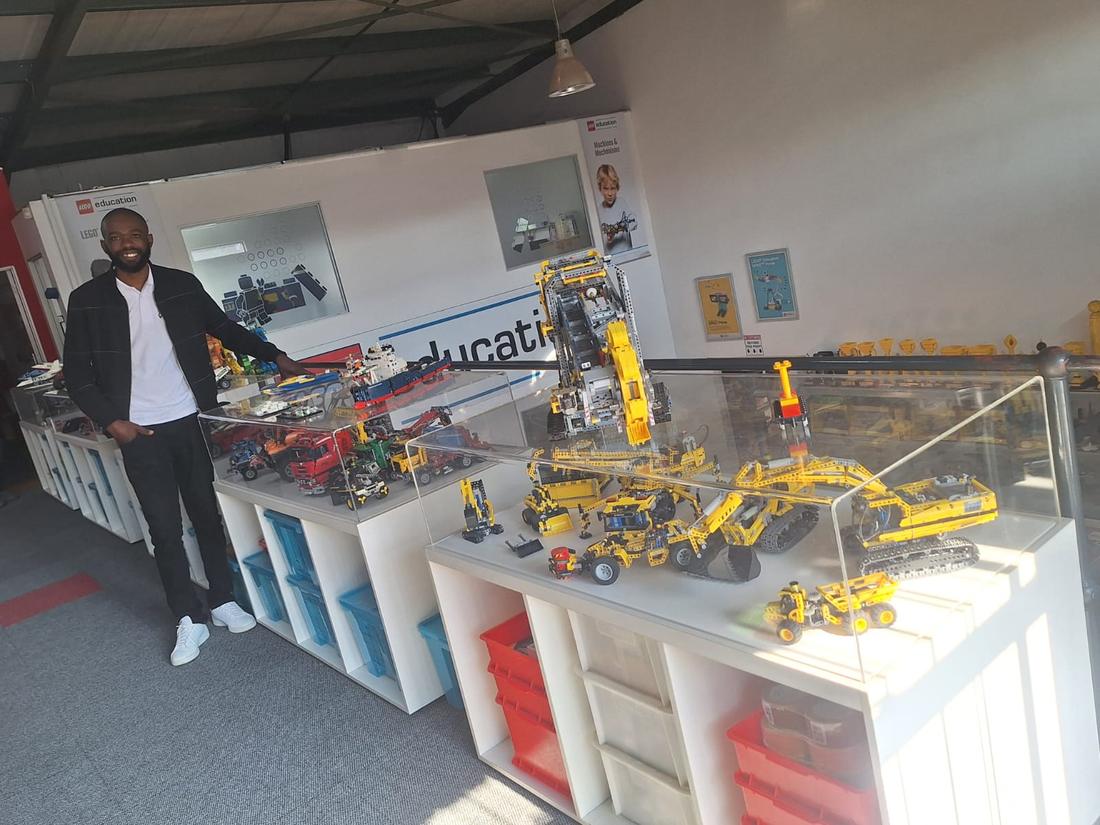
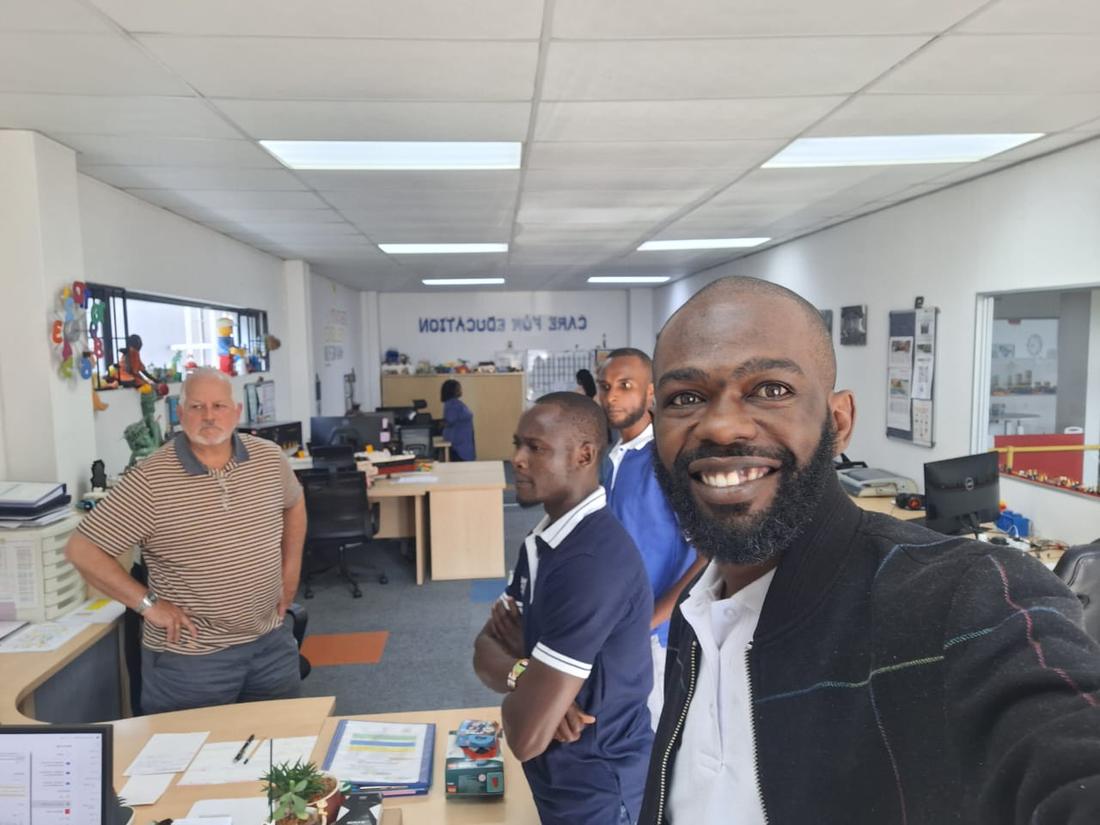
Real play sessions, and the team that runs them. The whole programme is a box of bricks, a script, and coaching. Nothing here needs power or a procurement cycle.
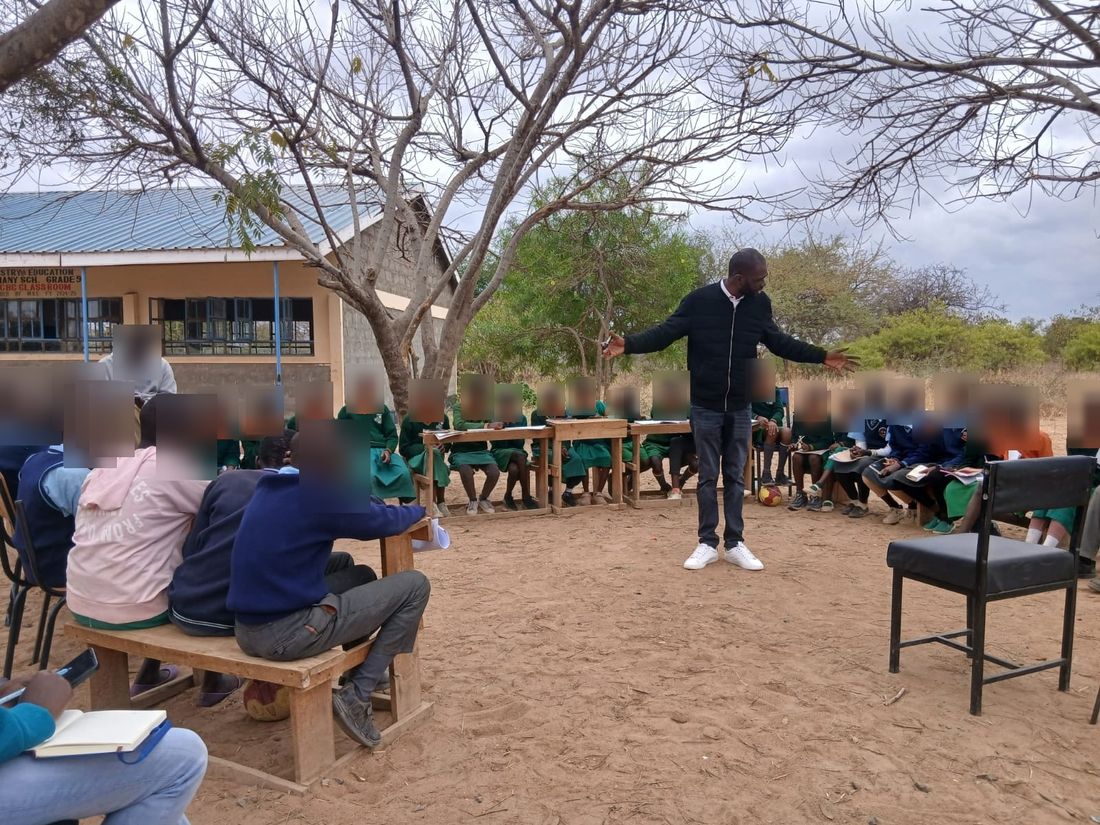
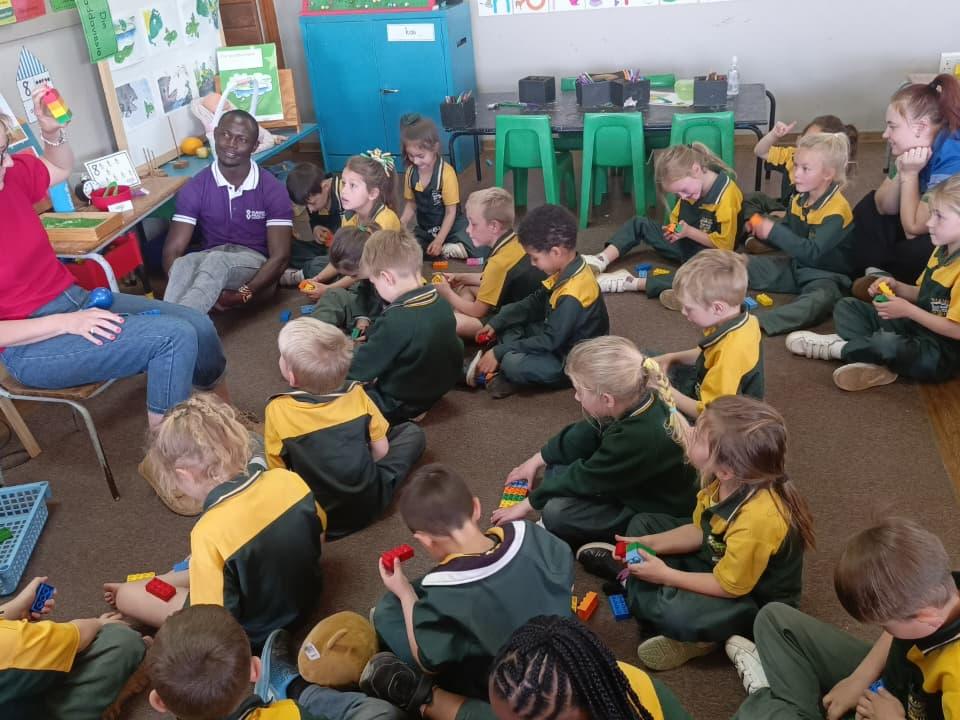
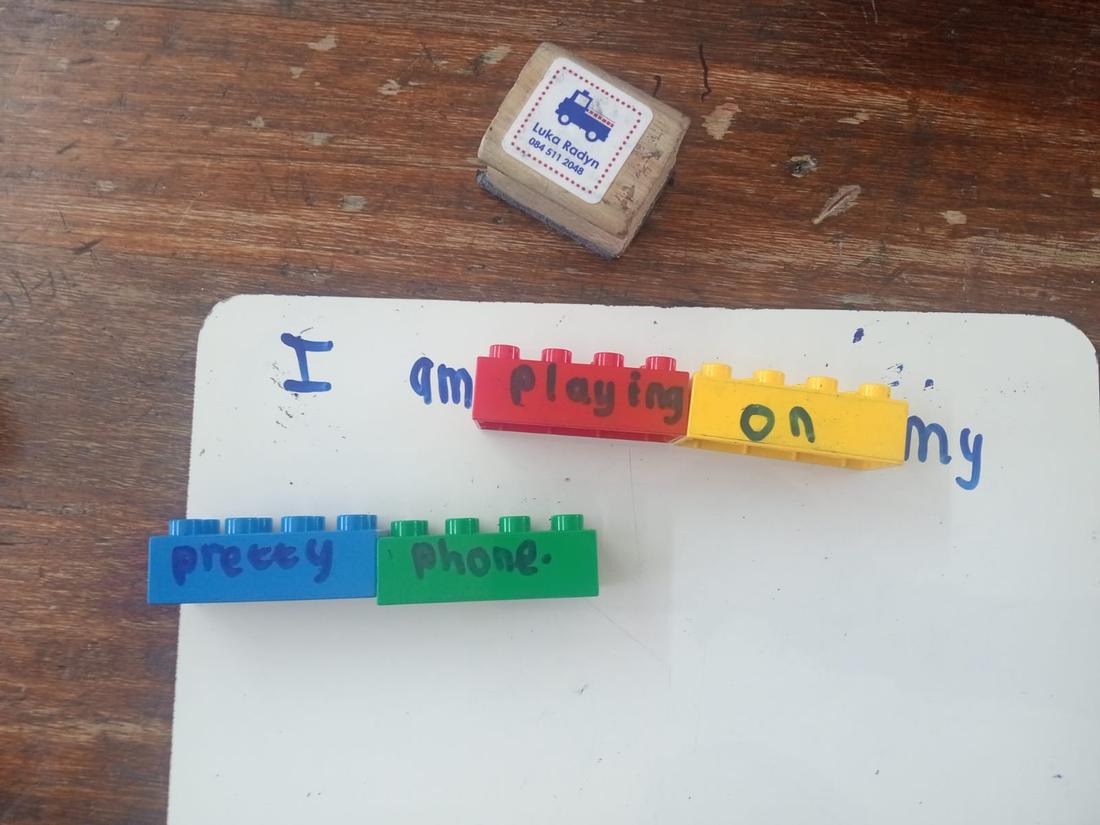
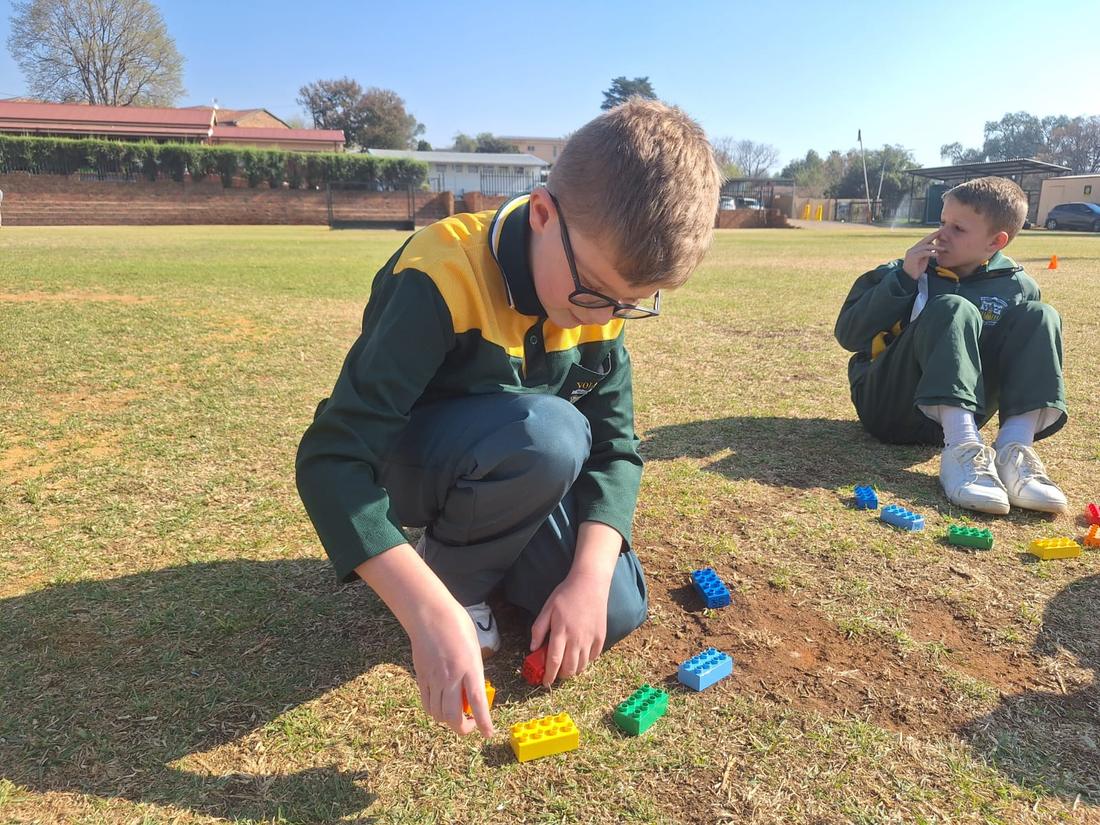
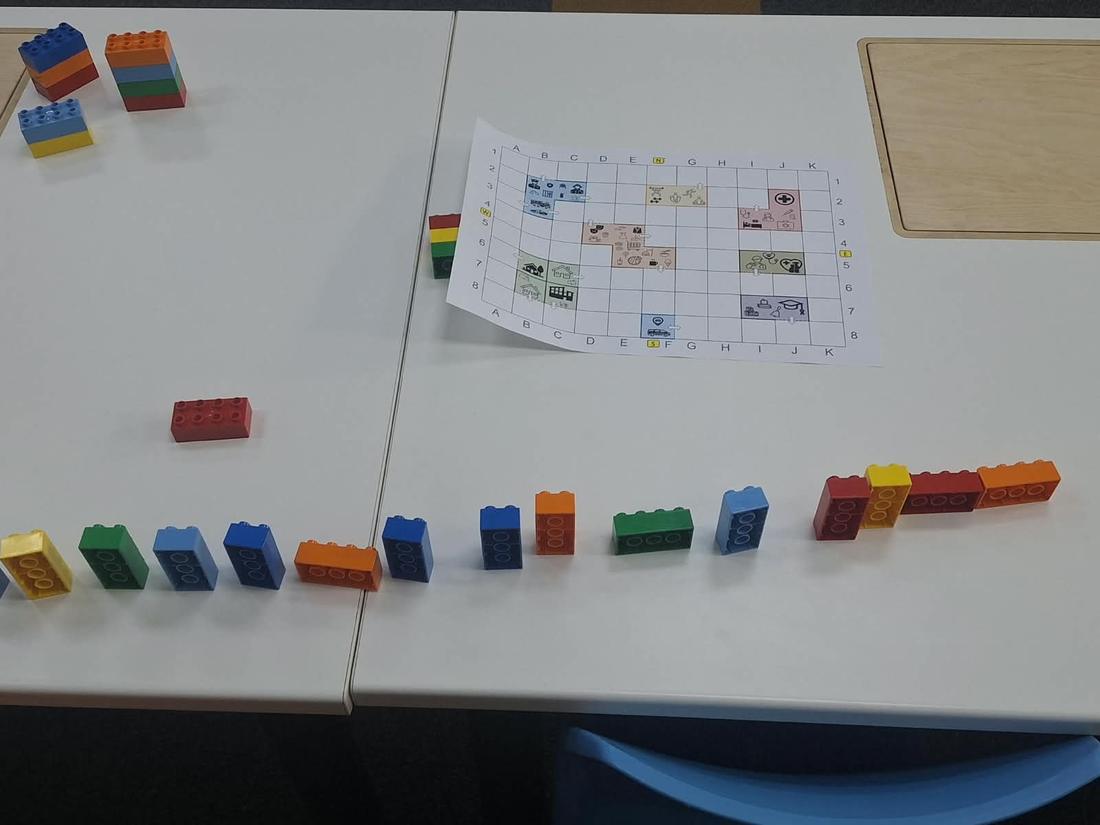
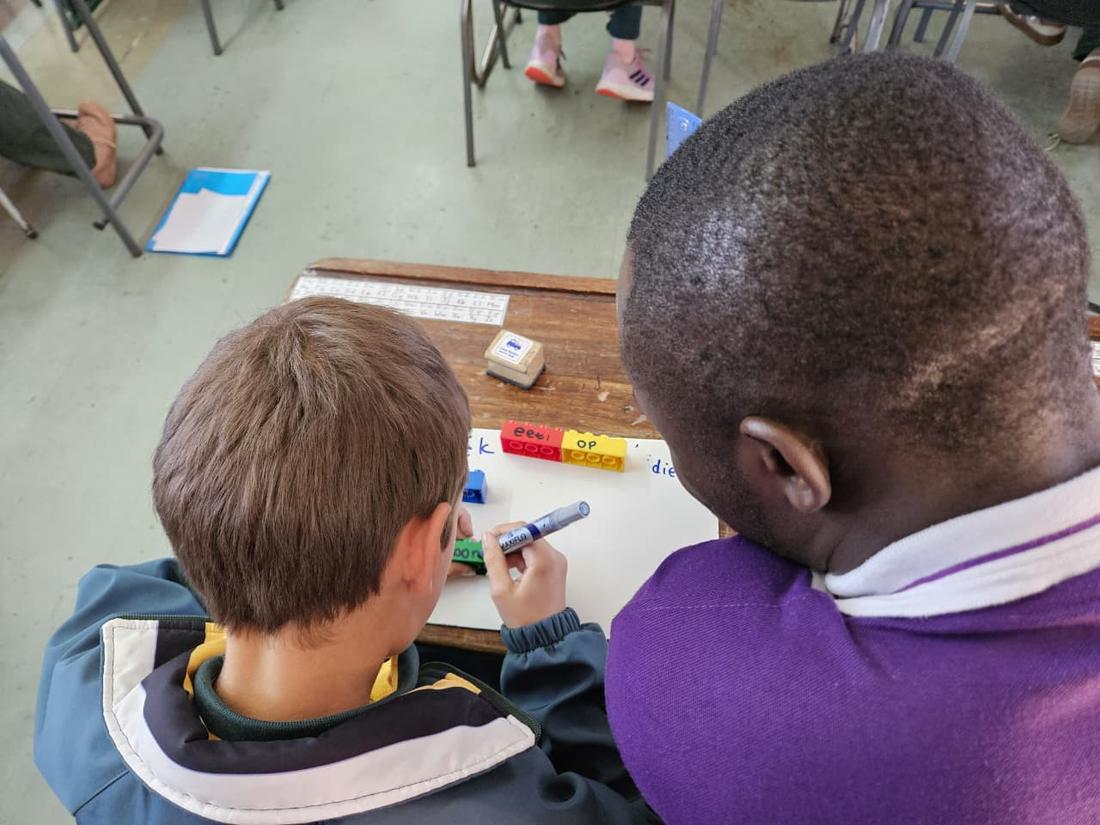
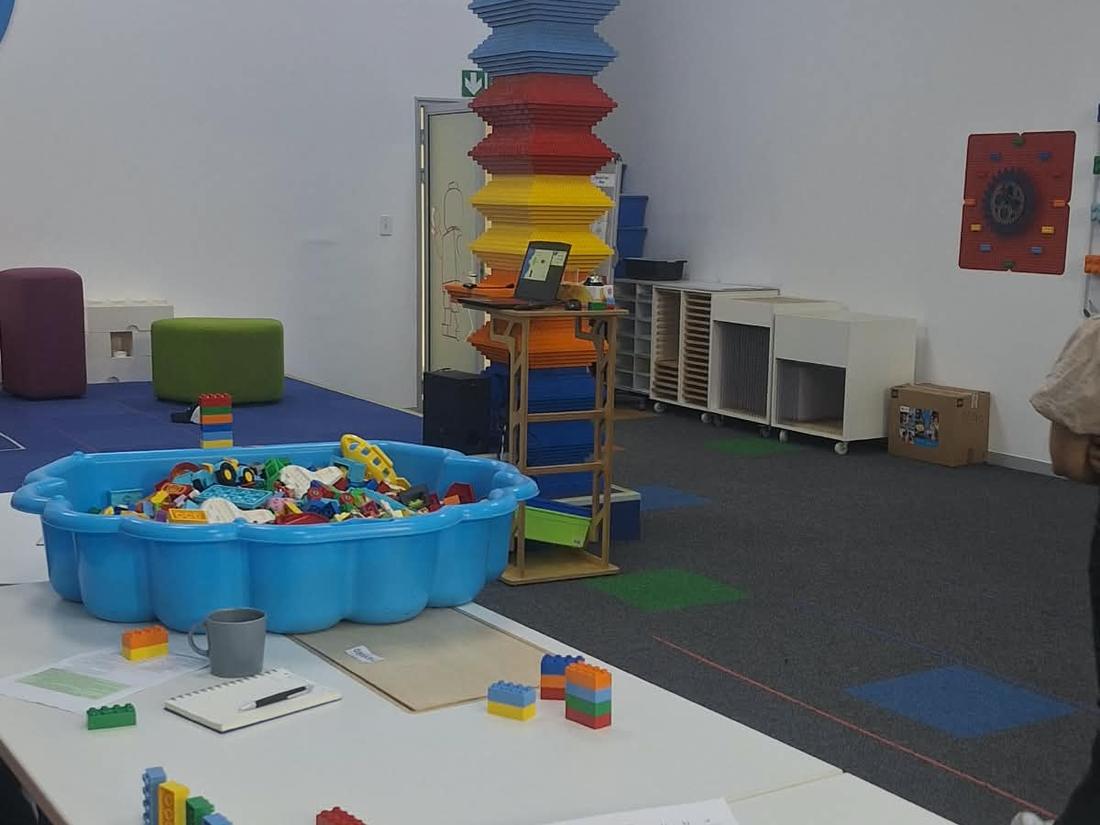
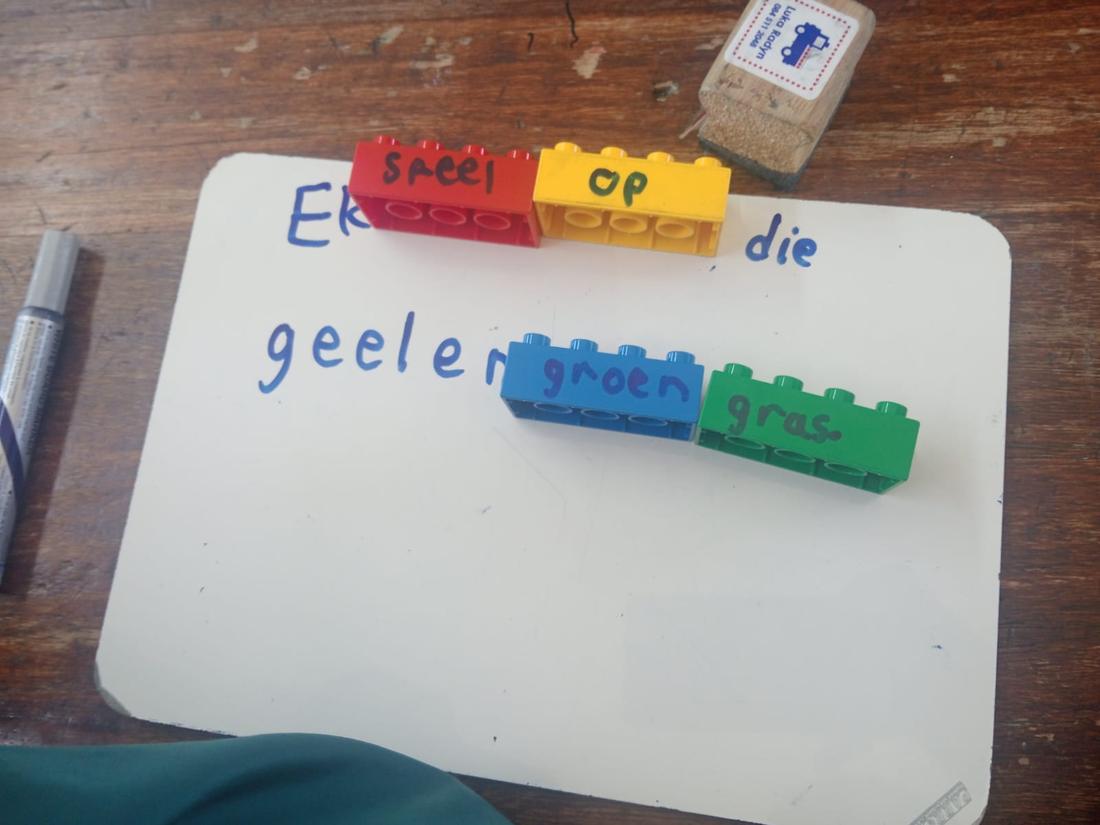
Watch a session
Faces are blurred in these clips to protect pupil privacy.
The references
Every strand maps to something the region already committed to
SELution is not a new priority to argue for. It is a way to deliver priorities that are already on the table. The full institutional picture is in the regional systems brief.
| Strand | Commitment it delivers | What that unlocks |
|---|---|---|
| SEL | Conference emphasis on social and emotional learning and wellbeing; CESA focus on holistic skills. | A concrete SEL curriculum ministries can point to, not just a policy line. |
| Literacy & numeracy | FLN as the headline conference priority; national foundational-learning targets and the push for a common minimum. | Comparable foundational-outcome data across pilot districts in four countries. |
| Unplugged coding | Digital-skills and 21st-century-competency commitments, framed for classrooms with no devices or power. | A credible entry point to digital literacy that works in the lowest-resource schools. |
| Robotics | STEM and innovation goals; the shift from consuming technology to building it. | A shared-kit model that keeps per-school cost low while reaching hands-on learning. |
| Play | Repeated conference call for playful, child-centred, activity-based pedagogy. | One teacher-training pathway that carries all four strands. |
| Parent role | Parental-engagement commitment across the conference. | Take-home play prompts and a termly community showcase built into every strand. |
How a pilot runs
A cluster, a term, and a clear before-and-after
SELution runs inside the existing school system, not as a parallel structure. One pilot is roughly one district cluster for one to two terms.
Cluster and baseline
An implementing partner selects 8 to 15 schools in one district. A short play-based assessment gives a foundational-skills and SEL baseline for a sample of classes.
Train the trainers, then the teachers
A cascade: SELution trains a small group of national master trainers, who train district facilitators, who run the hands-on teacher training and fortnightly coaching. It is how a programme reaches many classrooms quickly without thinning out.
Run the strands
Teachers run 3 to 4 short sessions a week using the scripts and low-cost materials. Robotics kits rotate between schools on a fixed schedule.
Engage parents
Weekly take-home play prompts in the local language and a termly showcase where children demonstrate what they built and learned.
Measure and report
The per-child records roll up to a cluster dashboard. An endline repeats the baseline. Partner and ministry get one comparable report.
Decide on scale
Ministry, partner and funder review the evidence against an agreed threshold and decide whether to extend to the next cluster. The district facilitators stay on as a regional community of practice that carries the next round.
Materials are deliberately cheap and local: bottle caps, cards, chalk grids, recycled parts, one shared robotics kit per cluster. The expensive input is teacher coaching, and that is where the model concentrates spend.
Where this is
Early, honest, and already moving
SELution is at the design and partnership stage. There is a defined programme, an implementing partner in conversation, and interested contacts in four countries. There is no funded pilot yet. That is the ask.
Neighbours Initiative Alliance, a Kajiado-based NGO rooted in pastoralist communities since 1996, in conversation about hosting a first pilot in the schools it works alongside.
Educators and organisations in Kenya, Uganda, Tanzania and South Sudan.
Built on the 2nd EAC Regional Education Conference agenda, with the systems brief as reference.
One or two district clusters, one to two terms, with baseline and endline.
Partner with us
What we are asking, by who you are
Pick the row that fits. Every one of these conversations is open right now.
What we ask of you
- Host a first pilot in a cluster of your placement or partner schools.
- Provide fellows or teachers for the training and weekly coaching.
- Co-design the assessment so it fits your existing monitoring.
What you get
- A ready-made, regionally-aligned play curriculum across four strands.
- Training materials, session scripts and the measurement dashboard.
- A shared evidence base you co-own and can take to your own funders.
What we ask of you
- Identify one district and a local organisation that could implement.
- Open the door to the district education office for permission and buy-in.
- Help adapt take-home materials into the local language.
What you get
- A pilot in your country on a shared regional model, not a one-off.
- Comparable data that positions your district in a regional conversation.
- First call on the trainer-of-trainers pathway as it scales.
What we ask of you
- A letter of support and permission to pilot in a named district.
- A curriculum officer to confirm the literacy and numeracy mapping.
- A seat at the endline review that decides on scale.
What you get
- A concrete way to show delivery against FLN, SEL and digital-skills commitments.
- Evidence generated inside your own system, on your curriculum.
- No cost obligation at the pilot stage and full visibility of results.
What we ask of you
- Fund one or two district-cluster pilots for one to two terms.
- Fund the teacher-coaching layer, which is the real cost driver.
- Agree an evidence threshold up front that a decision to scale must clear.
What you get
- A regional bet with four-country reach from a single, comparable pilot design.
- Low unit cost: cheap materials, shared kits, spend concentrated on coaching.
- A clean before-and-after on foundational and SEL outcomes, per child.
Talk to us
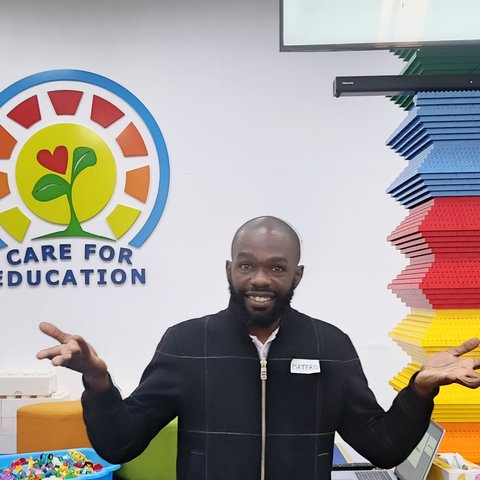
Two people, one WhatsApp away
Message either of us with the district and the partner you have in mind. A first pilot can be scoped in a fortnight.
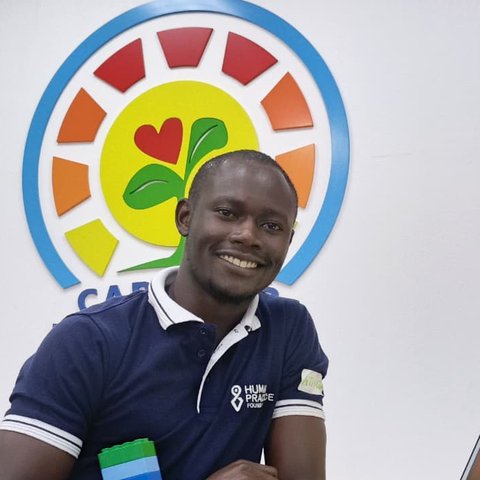
Prefer email? info@selutionke.com. Or open the concept note and send it on.
Next step
If any of that is a fit, start a conversation.
The programme is ready. What it needs is a district, a partner and a term.